







The prostate gland lies just beneath the bladder and is normally about the size of a chestnut. The urethra (water pipe) runs through the middle of the prostate. The main function of the prostate is during your reproductive life. It produces fluid containing chemicals which nourish sperms to help with fertilisation.
Welcome to Herts and Essex Urology
Conditions affecting the genito-urinary system in men, women and children are many and varied. We at Herts & Essex Urology pride ourselves on providing quality, confidential and compassionate care for all urological conditions. We offer a suite of treatments, delivered with a patient-first approach, to ensure you receive the care you deserve.



Appointments
We operate clinics within three locations; Rivers Hospital, Oakdin Clinic, and Nuffield Brentwood.
Please use the button below to request an appointment with us.
Refer a Patient
For electronic GP referrals to Rivers Hospital, please click to visit Ramsay Health referral portal where referrals are securely sent to us at Rivers Hospital, Sawbridgeworth. Emergency cases and post-operative concerns: 01279 602985
Secure Payment
If you have received an invoice from Doctors Billing Services you can quickly and easily settle it using their secure payment portal. Please ensure you fill your name, invoice number if you have one or enter your surname/HEUrology in the space for invoice no.





Testimonials
What Our Patients Say

Anonymous
Not specified
Mr Potluri is an outstanding Doctor, he is kind, considerate and caring every time I have seen him he has always been excellent and I have no doubt as to his abilities as a doctor. I have recommended him to friends and family and will continue to do so he is a very good doctor and a credit to his profession.

Anonymous
Not specified
Excellent Doctor, cannot praise Dr Potluri enough. Made me feel at ease and relaxed. Very reassuring way with people. A credit to Rivers Hospital.

Anonymous
Not specified
Very good Doctor, kind staff and the hospital was very clean. Nursing staff are very good. Well done to you all. Thank you.
0
Patients a year
0%
Patients Satisfaction
0
Years of experience
0 Awards
Clincal Excellence
0
Staff
Professionals
Our Team
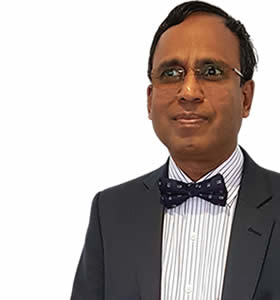
Mr. Bernard Potluri
Our Surgeon
All your services will be personally provided by Mr Potluri and his dedicated team.
Mr Bernard Potluri qualified with a MB BS in 1977. He then obtained masters in general surgery in 1981 and was elected Fellow of the Royal College of Surgeons in 1989. Mr Potluri gained a diploma in urology from the Institute of Urology and University College, London in 1991.
Dr. Venkat Shenoy
Anaesthetist
The profile for Dr. Venkat Shenoy is currently being updated. We thank you for being patient in this time.
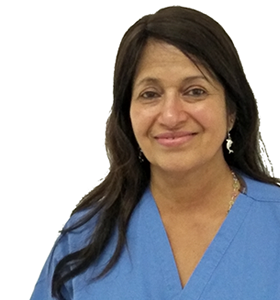
Dr. Shashi Gopinath
Consultant Anaethetist
Dr Gopinathi is a Consultant Anaethetist practicing for nearly 22 years. Dr Gopinathi’s NHS base is Princess Alexandra Hospital in Harlow, Essex. Within the private medical sector Dr Gopinathi has practice privileges at various hospitals in the Essex and Hertford areas.

Miss Sharon Lambe
Medical secretary
Sharon has worked in the private medical sector for 10 years, running the private practices of numerous surgeons, offering not only secretarial support but advising and growing their private practices.

Request an Appointment
FAQ
Have some Questions?
Clinic Times
Face to face appointments are available as below:
Rivers Hospital 01279 602675
➜ Mon 18:00-21:00
➜ Wed 09:00-13:00
➜ Fri 09:00-13:00
Nuffield Brentwood 01277 695695
➜ Thurs 14:00-17:00
Oakdin Clinic 01277 623055
➜ Thurs 09:00-12:00
If you have any problems getting through or need help with booking, please call / message Sharon on 07712 530999
We recommend calling 111 for non-emergency scenarios. We also getting in touch with with your GP or your local A&E if you have any further concerns.
For post-operative concerns, we strongly advise calling the 24-hour line of the hospital where you received your procedure.
You can now pay your invoice online. Click here to access our billing company’s secure payments page
If you have a question about your invoice, please contact our accounts team who will be happy to help with your queries.
Doctors Billing Services: Tel: 01279 311472 Fax: 01279 260555 Email: admin@doctorsbillingservices.co.uk
Partners